
Enhancing Curb Appeal: Exterior Design with Innovative Roofing Solutions
June 15, 2024
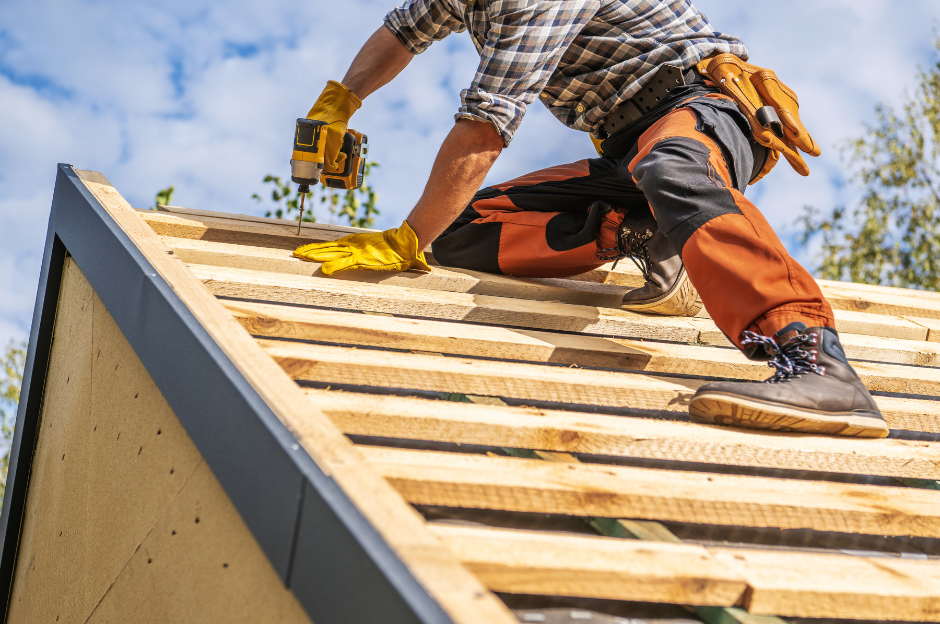
Your home's exterior is the first impression visitors and potential buyers will have, making curb appeal a critical factor in its overall aesthetic and value. While landscaping and paint colors are often emphasized, the roof plays a significant role in the appearance and functionality of your home. In recent years, advancements in roofing materials and designs have offered homeowners innovative solutions that not only enhance curb appeal but also improve energy efficiency and durability. This blog post explores various innovative roofing solutions that can transform your home's exterior design and elevate its overall appeal.
Importance of Roofing in Exterior Design
The roof of your home is not merely a protective covering; it contributes significantly to its architectural style and visual appeal. Here are some key reasons why roofing is crucial in enhancing curb appeal:
Architectural Harmony: The roof design should complement the overall architectural style of your home, whether it's modern, traditional, Mediterranean, or contemporary.
Color and Texture: Roofing materials come in a variety of colors, textures, and finishes, allowing you to coordinate with the exterior paint, siding, and landscaping for a cohesive look.
Durability and Maintenance: Innovative roofing solutions often offer superior durability and require less maintenance, ensuring long-term performance and aesthetic appeal.
Energy Efficiency: Certain roofing materials can improve energy efficiency by reflecting sunlight, reducing cooling costs, and contributing to a more sustainable home.
Innovative Roofing Solutions
Advancements in roofing technology have introduced a range of materials and designs that blend functionality with style. Here are some innovative roofing solutions to consider for your home:
1. Solar Roof Tiles
Solar roof tiles integrate photovoltaic cells into traditional roofing materials, enabling your roof to generate electricity from sunlight. Unlike traditional solar panels, solar roof tiles mimic the appearance of standard roofing materials such as asphalt, slate, or tile. This innovative solution not only enhances curb appeal but also reduces energy costs and carbon footprint.
Benefits:
Aesthetic Appeal: Seamless integration with the roofline for a sleek, modern appearance.
Energy Savings: Generates renewable energy to power your home.
Longevity: Durable materials designed to withstand various weather conditions.
Considerations:
Cost: Higher upfront investment compared to traditional roofing materials.
Installation: Requires professional installation to ensure proper integration and performance.
2. Cool Roofing
Cool roofing systems are designed to reflect more sunlight and absorb less heat than traditional roofing materials. They typically have high solar reflectance (albedo) and thermal emittance properties, helping to keep your home cooler during hot weather and reducing the need for air conditioning.
Materials:
Reflective Roof Coatings: Applied to existing roofs to improve solar reflectance.
Metal Roofing: Light-colored metal roofs reflect sunlight effectively.
Tile and Slate: Certain types of tile and slate roofing can be treated to enhance reflectivity.
Benefits:
Energy Efficiency: Reduces cooling costs by maintaining lower roof temperatures.
Comfort: Improves indoor comfort by minimizing heat absorption.
Longevity: Extends the lifespan of roofing materials by reducing thermal stress.
Considerations:
Climate Suitability: More beneficial in warmer climates where cooling costs are significant.
Color Options: Limited color choices compared to traditional roofing materials.
3. Green Roofing
Green roofing involves planting vegetation on the roof surface, creating a living, growing system that provides numerous environmental benefits. These roofs are layered with waterproofing membranes, drainage systems, and soil, supporting a variety of plants, from grasses to shrubs.
Benefits:
Aesthetic Appeal: Adds natural beauty and enhances biodiversity.
Energy Efficiency: Improves insulation and reduces heating and cooling costs.
Environmental Impact: Absorbs carbon dioxide, mitigates urban heat island effect, and filters rainwater.
Considerations:
Structural Support: Requires adequate structural support due to added weight.
Maintenance: Regular upkeep, including irrigation, weeding, and plant care.
Professional Installation: Installation by experienced contractors familiar with green roofing systems.
4. Architectural Shingles
Architectural shingles, also known as laminate or dimensional shingles, are a premium roofing option that offers a textured appearance resembling traditional materials like cedar shakes or slate. They are constructed with multiple layers of asphalt and fiberglass, providing enhanced durability and weather resistance.
Benefits:
Visual Appeal: Mimics the look of more expensive roofing materials.
Durability: Resistant to wind, impact, and weather damage.
Versatility: Available in a wide range of colors and styles to complement any home design.
Considerations:
Cost: Higher initial cost compared to standard asphalt shingles.
Installation: Requires skilled roofing contractors for proper installation and performance.
5. Synthetic Roofing Materials
Synthetic roofing materials, such as synthetic slate and shake, replicate the appearance of natural materials while offering enhanced durability and lower maintenance requirements. These materials are typically made from polymers or composites and are available in various colors and textures.
Benefits:
Authentic Appearance: Resembles natural slate or wood shakes.
Affordability: Lower cost compared to traditional materials.
Longevity: Resistant to cracking, fading, and insect damage.
Considerations:
Quality: Ensure the synthetic material chosen matches the aesthetic and performance standards of natural materials.
Installation: Proper installation is crucial to achieve the desired appearance and durability.
Implementing Innovative Roofing Solutions
When considering innovative roofing solutions for your home, it's essential to assess your specific needs, budget, and aesthetic preferences. Here are steps to effectively implement these solutions:
Assess Your Roofing Needs: Evaluate the current condition of your roof, including age, structural integrity, and maintenance history.
Set a Budget: Determine your budget for roofing upgrades, considering both upfront costs and long-term savings in energy efficiency and maintenance.
Research Materials: Explore various roofing materials and their benefits, consulting with roofing professionals to understand installation requirements and performance.
Consult with Professionals: Work with experienced roofing contractors or architects who specialize in innovative roofing solutions to develop a customized plan for your home.
Consider Local Climate: Choose roofing materials that are suitable for your region's climate, ensuring durability and optimal performance year-round.
Plan for Maintenance: Understand the maintenance requirements of your chosen roofing material and schedule regular inspections to prolong its lifespan.
Henry Brothers Blog
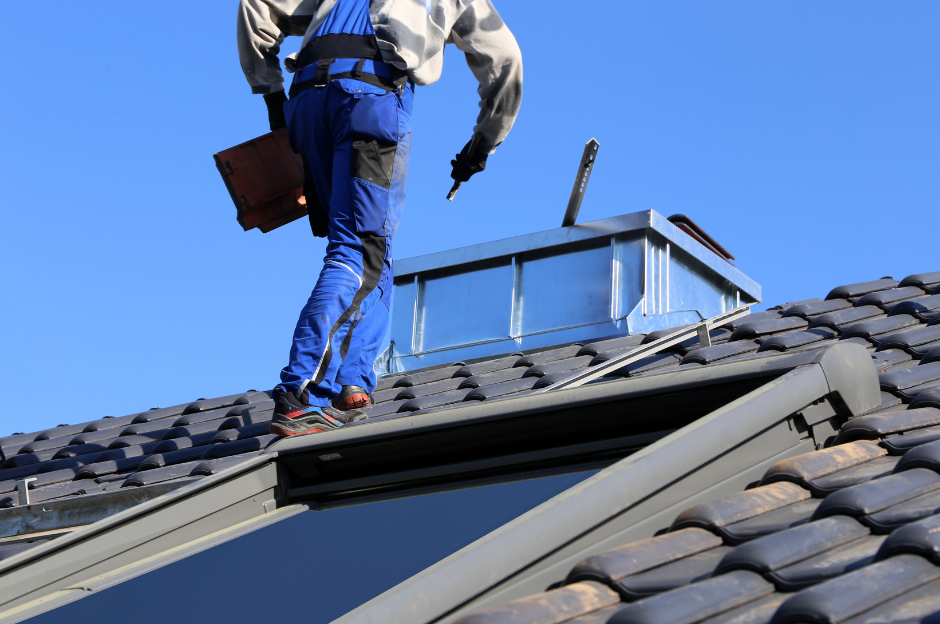
Multi-family buildings pose unique challenges for roofing—requiring durable, efficient, and cost-effective solutions that serve multiple households simultaneously. Selecting the right system and partner can significantly impact long-term maintenance and energy bills. Common Roofing Challenges in Multi-Family Properties Large surface areas Multiple penetrations (vents, HVAC units) Noise and disruption during installation High foot traffic for maintenance Energy efficiency Efficient Roofing Materials TPO (Thermoplastic Polyolefin): Lightweight, reflective, and energy-efficient. Ideal for flat or low-slope roofs. Modified Bitumen: Offers durability and weather resistance. Works well for larger structures. Metal Roofing: Long-lasting and low-maintenance. Higher upfront costs but excellent ROI. Asphalt Shingles: Budget-friendly and easy to repair. Better for pitched multi-family homes. Affordability Strategies Bulk Purchasing Discounts: Roofers often offer lower rates for large-scale projects. Energy Rebates and Tax Credits: Cool roofing materials may qualify for incentives. Roof Coatings: Extend lifespan and defer full replacements. Preventive Maintenance Plans: Regular inspections reduce major repair costs. Partnering with the Right Contractor Choose a roofing contractor experienced in multi-family dwellings. Look for: References from similar projects Warranty offerings Insurance and licensing Clear timelines and communication protocols
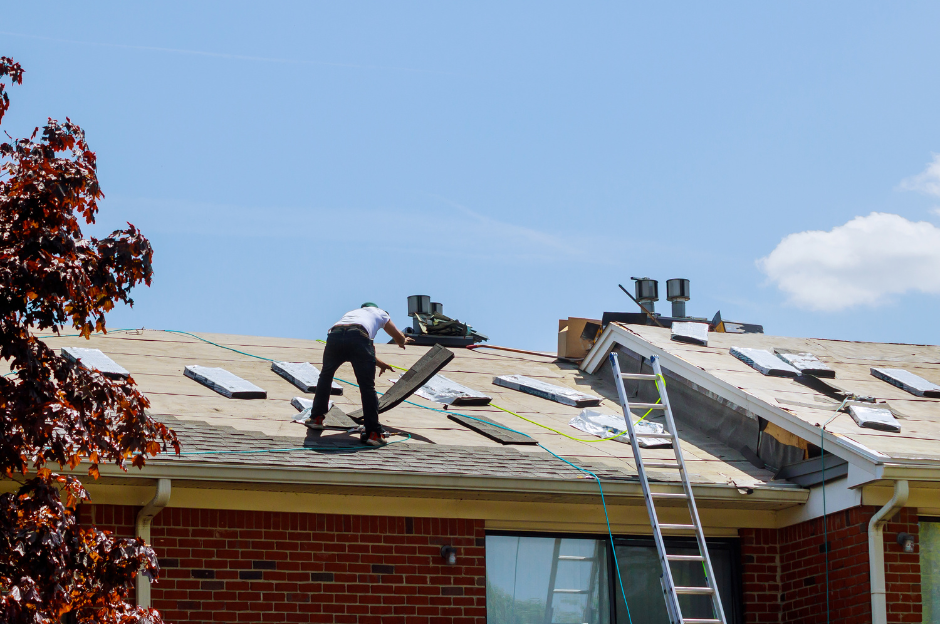
Your roof is one of the most defining features of your home’s architecture. A well-designed roof complements the style, era, and character of your house, enhancing both curb appeal and value. Whether you own a modern home, a Victorian masterpiece, or a Mediterranean villa, choosing the right roofing materials and design is essential. This article explores custom roofing solutions for different architectural styles, ensuring your roof is both aesthetic and functional. 1. Why Custom Roofing Matters A one-size-fits-all approach doesn’t work for roofing. Here's why customization is key: 🏡 Preserves Architectural Integrity The roof should match the home's era and design. A poorly chosen roof can clash with the architecture and reduce property value. 💰 Boosts Home Value & Curb Appeal A well-matched roof enhances visual appeal, making your home stand out. Homebuyers prefer houses with roofs that fit the overall design. 🌦 Enhances Durability & Efficiency Custom roofing accounts for climate, slope, and insulation. Choosing the right materials ensures longer roof life and energy efficiency. 2. Best Roofing Materials for Different Architectural Styles 🏗 Modern & Contemporary Homes Modern architecture focuses on clean lines, minimalism, and energy efficiency. Best Roofing Options: ✅ Flat Roofs – Achieve a sleek, contemporary look. ✅ Metal Roofing – Durable and complements modern aesthetics. ✅ Green Roofs – Eco-friendly and visually striking. ✅ Solar Panels – Integrate renewable energy solutions. 🏰 Victorian & Gothic Revival Homes These homes have steep-pitched roofs, turrets, and elaborate detailing. Best Roofing Options: ✅ Slate Tiles – Classic, long-lasting, and historically accurate. ✅ Wood Shingles – Adds charm and natural beauty. ✅ Decorative Metal Accents – Enhances ornate Victorian designs. 🏝 Mediterranean & Spanish-Style Homes Inspired by European coastal homes, these feature stucco walls and curved archways. Best Roofing Options: ✅ Clay or Terracotta Tiles – Traditional, weather-resistant, and elegant. ✅ Concrete Tiles – Durable and available in various textures and colors. ✅ Synthetic Spanish Tiles – Modern, lightweight alternatives with classic appeal. 🌲 Rustic & Cabin-Style Homes These homes emphasize natural materials and a cozy aesthetic. Best Roofing Options: ✅ Wood Shakes – Blends seamlessly with wooded surroundings. ✅ Metal Roofing (Rustic Finish) – Durable with a weathered, natural look. ✅ Green Roofs – Enhances sustainability and insulation. 🏡 Colonial & Traditional Homes These timeless homes focus on symmetry and classic proportions. Best Roofing Options: ✅ Asphalt Shingles – Affordable and available in classic shades. ✅ Slate Roofing – Elegant and historically accurate. ✅ Copper or Metal Accents – Enhances historic charm. 🏛 Mid-Century Modern Homes This style features low-sloped roofs, large windows, and open spaces. Best Roofing Options: ✅ Flat or Low-Slope Roofs – Clean, minimalistic aesthetic. ✅ Rubber or Membrane Roofing – Ideal for low-pitch roofs. ✅ Green or Living Roofs – Complements eco-conscious designs. 🏰 Tudor-Style Homes Tudor homes have steeply pitched gables and decorative half-timbering. Best Roofing Options: ✅ Wood or Synthetic Shake Shingles – Traditional and authentic. ✅ Slate Roofing – Enhances historic charm and durability. ✅ Architectural Asphalt Shingles – Mimics wood or slate at a lower cost. 3. Custom Roofing Features to Consider Beyond materials, adding customized elements can elevate your roof’s design. 🔹 Roof Color & Texture Dark roofs enhance historic and formal homes. Light-colored roofs reflect heat, ideal for warm climates. Textured materials (slate, shakes) add visual depth. 🏠 Roof Shape & Pitch Steep roofs fit Gothic and Victorian styles. Flat or low-sloped roofs match modern homes. Custom pitches enhance energy efficiency and durability. 🔆 Skylights & Roof Windows Adds natural light and enhances ventilation. Works well in modern, contemporary, and rustic homes. 🌞 Solar Roofing & Smart Technology Solar shingles blend seamlessly into modern & eco-friendly homes. Smart roofing systems adjust ventilation & insulation automatically. 4. Custom Roofing: How to Get Started 1️⃣ Consult a Roofing Expert Work with an architect or contractor specializing in custom roofs. Ensure they understand historical accuracy and climate considerations. 2️⃣ Choose High-Quality Materials Invest in durability, energy efficiency, and aesthetics. Select roofing that aligns with your home’s style and longevity needs. 3️⃣ Consider Long-Term Costs & ROI Some materials have higher upfront costs but last longer and increase home value. Energy-efficient options can reduce heating and cooling expenses. 4️⃣ Verify Local Building Codes Some roofing styles require special permits. Ensure compliance with HOA guidelines and historical district regulations.